“My child was doing so well before the holidays. Why are they suddenly struggling with maths?”
“They used to enjoy reading. Why do they seem less confident now?”
“Should I be worried, or is this normal?”
These are questions many parents ask during long school holidays. It can be surprising to see a child who was progressing well during the school term suddenly forget concepts they seemed to have mastered just a few weeks earlier.
The good news is that this is a common and well-understood phenomenon. Educational research has consistently shown that extended breaks from structured learning can lead to a decline in academic retention, particularly in subjects that require regular practice, such as Maths, English, and Science.
Understanding why this happens is the first step toward preventing it.
Learning Loss vs. Learning Gaps: What's the Difference?
Although the terms are often used interchangeably, learning loss and learning gaps are not the same.
Learning loss refers to the forgetting of previously learned knowledge or skills due to a lack of regular practice. For example, a child may forget multiplication tables, grammar rules, or reading strategies after several weeks away from school.
Learning gaps, on the other hand, develop when those forgotten concepts are not revisited or reinforced. Over time, these weak areas make it harder for students to understand new topics because future learning builds on previous knowledge.
In simple terms, learning loss can lead to learning gaps if it is not addressed early.
Why Learning Gaps Grow During School Breaks
Learning Fades Without Regular Practice
Academic skills improve through repetition and consistent use. During long school holidays, students naturally spend less time solving maths problems, reading, or writing, making it easier to forget important concepts.
Learning Becomes Less Structured
School provides a daily routine with guided instruction, practice, and feedback. During holidays, learning often becomes occasional or unplanned. While some children continue reading or practicing, others may have very little academic engagement, resulting in different levels of learning retention.
Returning to School Takes Time
Many students spend the first few weeks after returning to school reviewing previous lessons before they are ready to learn new material. This adjustment period can slow academic progress and make children feel as though they are starting over.
Confidence Can Be Affected
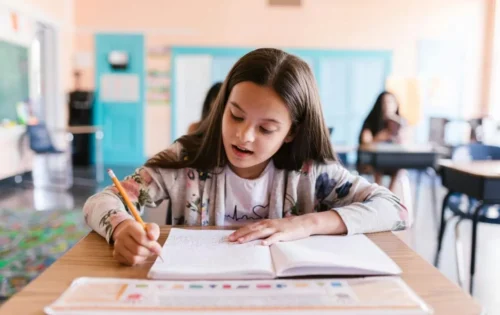
When children forget concepts they previously understood, they often become less confident. They may hesitate to answer questions, avoid challenging subjects, or become more dependent on help with homework.
How Learning Gaps Look at Different Ages
Learning gaps can appear differently depending on a child’s stage of education.
Primary School (Ages 5–10)
Children may:
- Forget phonics or sight words.
- Struggle with multiplication tables or basic number facts.
- Read less fluently than before the holidays.
Middle School (Ages 11–14)
Students may:
- Find fractions, decimals, or algebra more difficult.
- Lose confidence in writing longer essays.
- Need extra support to reconnect new concepts with previous learning.
High School (Ages 15–18)
Older students may:
- Forget important exam techniques.
- Lose confidence in subjects such as Mathematics and Science.
- Find it harder to prepare for assessments after an extended break.
Recognizing these signs early allows parents to provide the right learning support before small difficulties become larger academic challenges.
Simple Ways to Prevent Learning Loss During School Holidays
Keeping learning active doesn’t mean replacing holidays with hours of study. Small, consistent habits are often the most effective.
Parents can support school holiday learning by:
- Reading for 15–20 minutes each day to improve vocabulary and comprehension.
- Using maths in everyday activities such as shopping, cooking, or travel planning.
- Scheduling short learning sessions several times a week instead of occasional long study days.
- Encouraging curiosity through documentaries, puzzles, educational games, science activities, and creative projects.
- Maintaining regular learning routines to help children transition back to school more smoothly.
These simple habits can significantly reduce summer learning loss, strengthen academic confidence, and help bridge learning gaps before they become more difficult to address.
How Tutorwaves Helps Bridge Learning Gaps
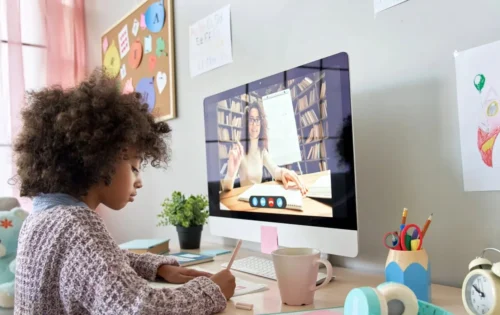
At Tutorwaves, we believe effective online tutoring is about much more than completing homework. Our structured one-to-one online tutoring approach provides every student with personalised academic support designed to build confidence and improve long-term learning outcomes.
Our approach includes:
- Initial learning assessments to identify strengths and learning gaps.
- Personalised learning plans tailored to each student’s needs and goals.
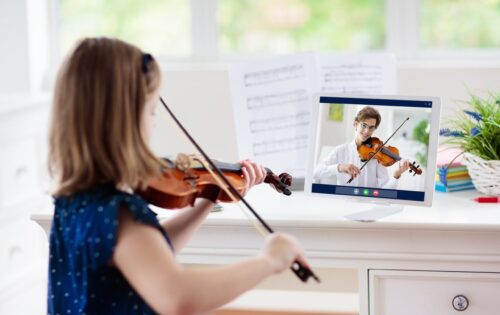
- Live one-to-one online classes with a dedicated tutor for consistency and continuity.
- Structured teaching methodologies that build concepts step by step.
- Homework and assignments that reinforce classroom learning.
- Regular achievement tests to measure progress.
- Detailed progress reports that keep parents informed.
- Parent conferences to discuss development, goals, and next steps.
- Ongoing academic support for K–12 students across Maths, English, Science, and other core subjects.
- Targeted exam preparation to improve academic performance and build confidence.
Unlike tutor marketplaces that simply connect students with tutors, Tutorwaves provides a structured learning journey with accountability, measurable progress, and personalised support throughout the academic year.
Final Thoughts
School holidays are an important time for children to relax, explore new interests, and spend quality time with family. Rest is an essential part of healthy learning and development.
At the same time, learning doesn’t have to stop completely. A few minutes of reading, problem-solving, or other meaningful learning activities each day can help children retain important skills, prevent learning loss, and bridge learning gaps before they grow.
With consistent learning habits at home and the right personalised online learning support, children can return to school feeling confident, prepared, and ready to succeed.
At Tutorwaves, our structured one-to-one online tutoring, regular progress monitoring, and personalised learning plans help students stay academically strong throughout the school year and during school holidays. Rather than spending weeks catching up, they return to school ready to move forward with confidence.