Is Your Child Losing Interest in Learning?
Does your child struggle to stay focused during lessons? Are they easily distracted, reluctant to complete homework, or losing confidence because they’re falling behind in school?
If so, you’re not alone.
Across the world, parents are asking the same questions:
- Is online learning really effective?
- Can digital classrooms improve my child’s academic performance?
- Will my child stay engaged or become distracted by screens?
- How can I help my child succeed in today’s technology-driven education system?
As education continues to evolve, digital classrooms have become more than just a temporary alternative they are now an essential part of modern learning. When designed thoughtfully and supported by experienced educators, they can significantly improve student engagement, confidence, and academic success.
Let’s explore how digital classrooms are transforming education and what parents need to know to help their children thrive.
What Is a Digital Classroom?
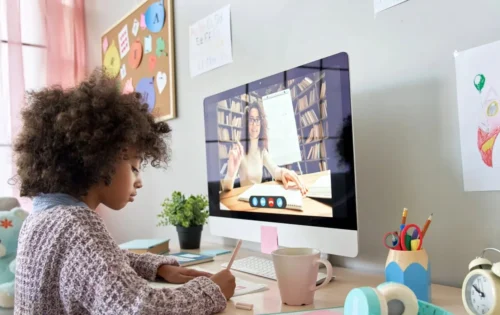
A digital classroom is a technology-enabled learning environment where students and teachers connect through online platforms, allowing learning to happen from virtually anywhere.
Digital classrooms can be:
- Fully online
- Hybrid (combining classroom and online learning)
- A supplement to traditional schooling
They often include:
- Live virtual lessons
- Interactive whiteboards
- Educational videos and animations
- Online quizzes and assessments
- Recorded lessons for revision
- Learning management systems
- Digital worksheets and assignments
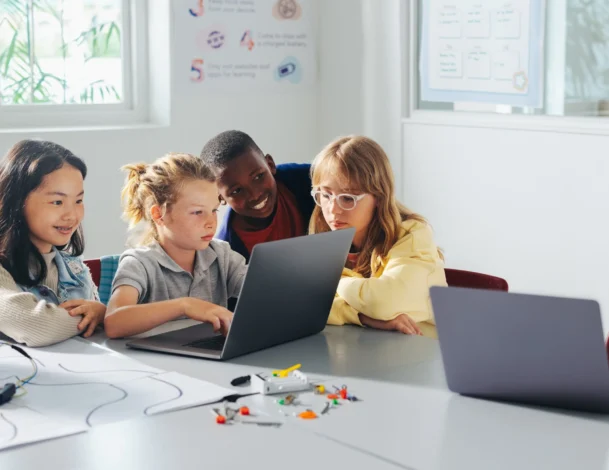
- Collaborative group activities
Unlike traditional classrooms, digital learning offers flexibility while giving students access to personalized educational resources that match their individual learning needs.
Why Student Engagement Matters More Than Ever
Student engagement is one of the strongest indicators of long-term academic success.
When children are actively engaged in learning, they are more likely to:
- Participate confidently during lessons
- Ask questions without hesitation
- Retain information more effectively
- Complete assignments consistently
- Develop problem-solving and critical thinking skills
- Build confidence in their abilities
- Achieve higher academic performance
Unfortunately, many students struggle to stay engaged in traditional classrooms due to:
- Large class sizes
- Limited one-to-one attention
- Different learning speeds
- Fear of asking questions
- Lack of personalized support
This is where well-designed digital classrooms can make a meaningful difference.
How Digital Classrooms Improve Student Engagement
1. Learning Becomes Interactive Instead of Passive
Traditional lectures often require students to sit and listen for long periods, making it easy to lose focus.
Digital classrooms transform lessons into interactive learning experiences using:
- Educational videos
- Live quizzes
- Polls
- Interactive whiteboards
- Simulations
- Learning games
Instead of simply watching, students actively participate in the learning process.
This increased interaction improves concentration, understanding, and knowledge retention.
2. Personalized Learning Keeps Every Child Motivated
Every child learns differently.
Some grasp new concepts quickly, while others need additional explanations and practice.
One of the biggest advantages of digital education is personalized learning.
Students can:
- Learn at their own pace
- Revisit recorded lessons
- Practice difficult concepts repeatedly
- Receive customized exercises
- Focus on areas where they need extra support
Personalized learning reduces frustration and helps students build confidence, making them more willing to engage with their studies.
3. Instant Feedback Encourages Continuous Improvement
In many traditional classrooms, students may wait days or even weeks to receive feedback.
Digital learning platforms provide immediate feedback through online quizzes, assessments, and tutor reviews.
Students quickly understand:
- What they did well
- Where they need improvement
- Which topics require more practice
This continuous feedback keeps learners motivated and allows parents to monitor academic progress more effectively.
4. Better Communication Builds Confidence
Many children hesitate to ask questions in a crowded classroom because they fear making mistakes.
Digital classrooms create multiple opportunities for participation through:
- Live discussions
- One-to-one interactions
- Breakout rooms
- Chat features
- Collaborative group activities
Students who are shy in traditional classrooms often feel more comfortable expressing themselves in an online environment, helping them develop confidence over time.
5. Flexible Learning Fits Every Family’s Schedule
Modern families have busy lifestyles. Between school, extracurricular activities, sports, and family commitments, finding additional study time can be difficult.
Digital classrooms allow students to:
- Learn from home
- Access lessons anytime
- Review recordings before exams
- Continue learning while travelling
- Receive extra support without lengthy commutes
This flexibility makes quality education more accessible than ever before.
Common Parent Concerns About Online Learning
Although digital classrooms offer many advantages, parents naturally have concerns. Let’s address some of the most common ones.
“Won’t My Child Spend Too Much Time on Screens?”
This is perhaps the biggest concern parents have. The difference lies in how technology is used. Passive screen time such as endless scrolling or entertainment differs greatly from active educational screen time.
High-quality digital classrooms encourage students to:
- Participate in discussions
- Solve problems
- Answer questions
- Collaborate with teachers
- Complete interactive activities
Parents can also establish healthy routines by balancing study time with physical activity, outdoor play, and offline hobbies.
“Will My Child Become Distracted?”
Distractions can happen in any learning environment whether at home or in school. The key is creating structure.
Parents can help by:
- Setting up a quiet study area
- Keeping phones and unnecessary devices away during lessons
- Following a consistent study schedule
- Monitoring learning progress regularly
Experienced online tutors also use engaging teaching methods that keep students actively involved throughout the lesson.
“Can Online Learning Replace Human Interaction?”
Not at all. Many parents assume online education is impersonal, but live one-to-one tutoring often provides more meaningful interaction than crowded classrooms.
Students receive:
- Individual attention
- Personalized feedback
- Stronger teacher relationships
- More opportunities to ask questions
This personalized support can significantly improve both confidence and learning outcomes.
Practical Ways Parents Can Support Student Engagement
Technology alone isn’t enough.
Parents play an essential role in helping children get the most from digital learning.
Here are a few simple ways to support your child:
- Create a dedicated learning space free from distractions.
- Establish a consistent daily study routine.
- Encourage your child to participate actively during lessons.
- Review progress reports and celebrate improvements.
- Communicate regularly with tutors or teachers.
- Focus on learning and progress rather than perfection.
Small, consistent efforts at home can have a lasting impact on your child’s academic success.
The Future of Education Is Personalized
Education is rapidly evolving.
Artificial intelligence, adaptive learning platforms, and interactive educational tools are making learning more personalized than ever before.
However, technology alone cannot replace the value of an experienced teacher.
The most successful digital classrooms combine innovative technology with expert instruction, personalized guidance, regular assessments, and meaningful student-teacher relationships.
This balanced approach helps students not only improve academically but also develop confidence, independence, and a lifelong love of learning.
Conclusion
Digital classrooms are transforming education by making learning more engaging, flexible, and student-centered. While technology provides the platform, its true impact comes from combining it with expert teaching, personalized guidance, and consistent support.
At Tutorwaves, we believe that technology is most effective when paired with meaningful human connection. Our live one-to-one online tutoring programs are designed to keep students engaged, bridge learning gaps, and help them achieve their academic goals through highly personalized instruction. Every learning plan is tailored to the student’s strengths, challenges, learning pace, and individual aspirations.
Our student-centered approach includes:
- Live one-to-one online tutoring
- Experienced specialist tutors with Master’s degrees
- Personalized learning plans
- Interactive digital lessons
- Homework and assignment support
- Regular assessments and progress tracking
- Continuous feedback and performance reports
- Parent conferences and ongoing communication
- Flexible scheduling to suit busy families
Whether a student needs support in strengthening foundational concepts, improving school performance, preparing for competitive examinations, excelling in university courses, or exploring skill-based learning such as Chess and Performing Arts, Tutorwaves provides a safe, structured, and supportive learning environment that nurtures both academic achievement and confidence.
For parents, choosing an online learning platform is about more than convenience it’s about finding a trusted educational partner who is invested in their child’s success. With the right tutor, a personalized learning plan, and a strong support system, digital classrooms can do much more than improve grades. They can inspire curiosity, foster independent learning, and equip students with the knowledge, confidence, and lifelong learning skills they need to succeed in an ever-evolving world.